J’Onco Mentor Version 9.09 — LIVER PRIMARY

Desktop version. Mobile app coming.

WHAT IS J’ONCO MENTOR?LUNGBREASTHEAD & NECKPROSTATEENDOMETRIUMLIVERADRENAL GLANDKIDNEYTHYROIDBLADDERCOLON & RECTUMMELANOMA OF SKINPANCREASSTOMACHCNSHEMATOPOIETIC DISORDERSTOP CANCER SITESSTORE MANUALRADIATION GUIDESTATE REPORTABILITYICD-10-CM / SECONDARY DXODS RESOURCES

DIAGNOSIS YEAR

Select the diagnosis year first. J’Onco Mentor uses it to establish the standards cycle and to drive year-sensitive routing in this module.

SEER manual—
NAACCR cycle—
Staging context—
Standards statusSelect year
No diagnosis year selected. Year-dependent schema, staging, SSDI, grade, surgery, and manual guidance should not be assumed.

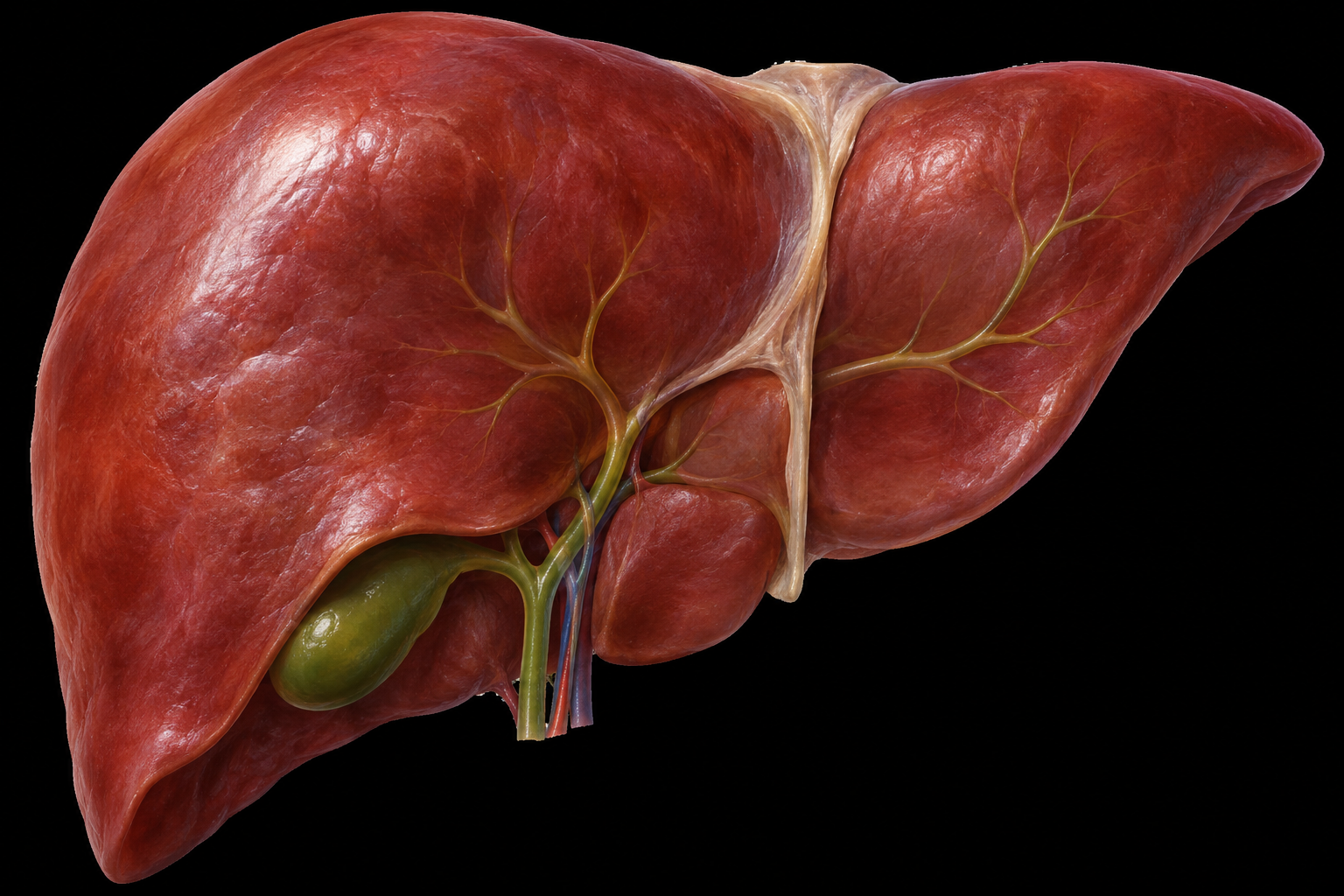
REALISTIC LIVER ANATOMY & PRIMARY SITE

Realistic liver with intrahepatic biliary anatomy
SELECT ANATOMIC REGION(S)
Selected anatomy:
Topography: ICD-O-3 provides two liver/intrahepatic bile duct primary sites: C22.0 Liver and C22.1 Intrahepatic bile duct. Liver lobes are anatomic regions, not separate ICD-O topography codes.
Auto-selection: Choosing a liver lobe sets C22.0. Choosing intrahepatic bile duct sets C22.1. Multiple regions may be selected to document involvement.

PRIMARY SITE CALCULATOR

Calculated primary site
Important: This calculator distinguishes liver parenchyma from intrahepatic bile duct. A hilar/porta-hepatis description alone should not automatically be coded as C22.1. Perihilar/extrahepatic bile duct terminology may route outside the Liver module and should be verified in ICD-O-3/Cancer PathCHART.

HISTOLOGY / MORPHOLOGY

The dropdown contains the liver/intrahepatic bile duct histologies used in the module. You can also type a code or diagnosis name. Rare site/histology combinations should be verified in Cancer PathCHART / SEER*RSA.

Selected morphology
Schema routing

AJCC STAGING SCHEMA

PATHOLOGIC STAGING CRITERIA — LIVER

Qualifying evidence: Qualifying liver resection can support pT assessment. Nodal pathology can support pN. Primary hepatocellular carcinoma, intrahepatic cholangiocarcinoma and other liver tumors follow different staging chapters; select the correct one before assigning pTNM.

pT / pN: Assign only categories supported by the actual pathological evidence and the site-specific AJCC rules. A diagnosis-confirming biopsy does not automatically establish a pathological primary tumor category.

pM: Pathologically proven distant metastasis may support pM1 where the chapter permits; AJCC does not use pM0.

Treatment sequence: Distinguish initial pathological classification (pTNM) from post-neoadjuvant classification (ypTNM). Confirm eligibility, histology, staging chapter and diagnosis-year edition before finalizing.

Source / verification: AJCC · SEER tools and manuals. Educational overview only; verify exact chapter-specific criteria in the licensed AJCC manual.

Liver / Intrahepatic Bile Duct AJCC / TNM Entry

Select the staging pathway, then enter T, N and M. Histology and primary site determine whether the HCC or intrahepatic bile duct pathway applies.


AJCC / TNM RESULT

Schema—
T—
N—
M—

—

Use site + histology to confirm the final AJCC schema and stage group in the approved staging system.

EOD / SUMMARY STAGE

EOD

Use the selected SEER*RSA schema to code EOD Primary Tumor, EOD Regional Nodes, and EOD Mets for liver or intrahepatic bile duct.

Summary Stage

Summary Stage remains a separate staging system and should be coded from the applicable SEER Summary Stage manual/schema.

SURGERY

Displayed surgery reference

Verify the exact current STORE surgery code for the diagnosis year and procedure documented.

COMMON METASTATIC SITES

LungBoneRegional / distant lymph nodesAdrenal glandPeritoneumBrain

These are common patterns of spread and are not a substitute for documented metastatic disease.

SOURCES

2027 standards cycle: Use the 2027 SEER Program Coding and Staging Manual, Solid Tumor Rules 2027, STORE 2027, NAACCR v27 resources, Summary Stage v3.4, and the current diagnosis-year SEER*RSA/EOD schema as applicable. Historical cases may require prior-year instructions.